How to Choose an Indexing Plunger for Machine Design
A practical indexing plunger selection guide covering locating function, mounting geometry, pin engagement, operating access and custom machine design requirements.
Why indexing plungers matter in machine design
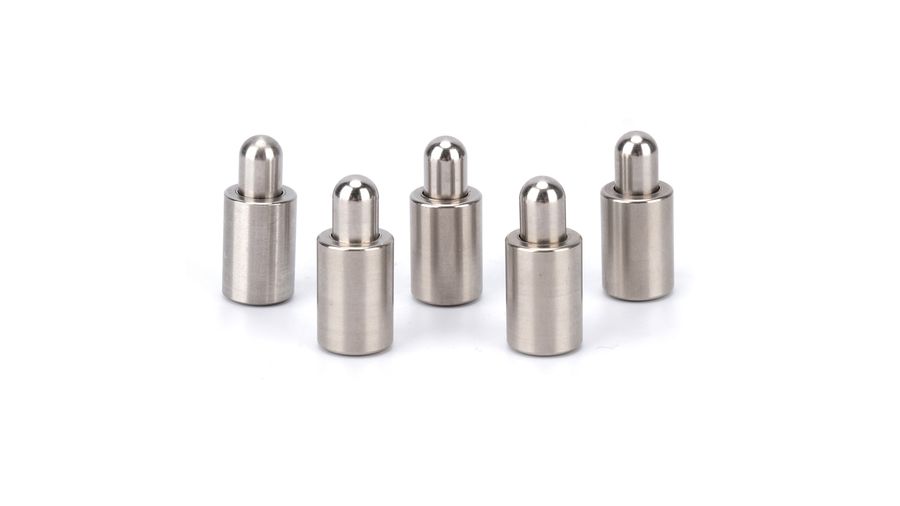
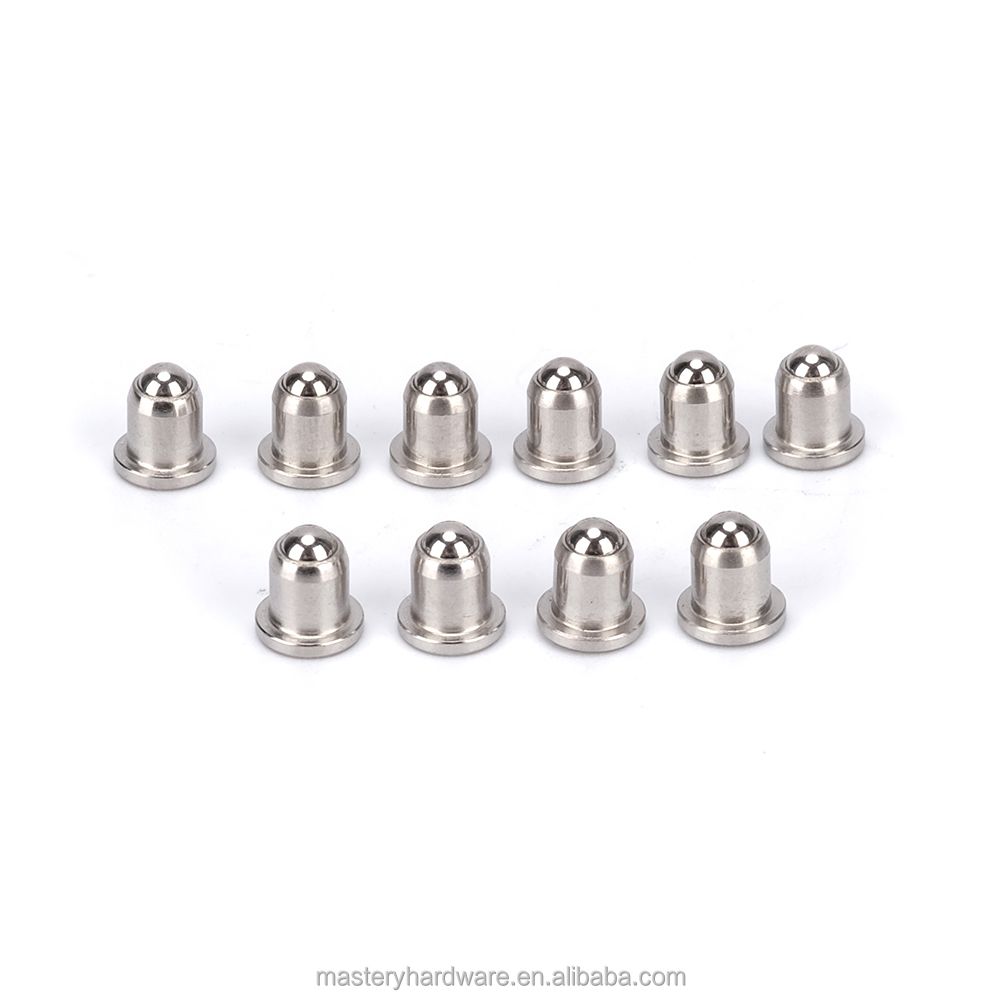
An indexing plunger is commonly used when a machine element must move between repeatable positions and be positively located. Typical examples include adjustment mechanisms, changeover stations, guards, sliding units and machine fixtures. Its role is more specific than general spring pressure: the locating pin must engage the intended feature reliably while remaining practical for the operator or mechanism to release.
Define the locating task first
Start by identifying what is being positioned and how often the position changes. Is the plunger holding a setup position, indexing a movable assembly or assisting an operator during frequent adjustment? The answer affects the required pin engagement, access method and the acceptable operating effort. It also helps separate a true positioning requirement from an application that only needs light spring contact.
Check pin engagement and receiving geometry
The locating pin and its mating hole, slot or notch should be reviewed as one system. Consider the available engagement depth, entry alignment, tolerance between parts and whether the receiving feature is exposed to contamination. A clear cross-section drawing is particularly useful when the plunger enters at an angle, the moving element has limited travel or the mechanism may experience side load.
Plan mounting geometry and operating access
A suitable indexing plunger must fit the mounting location and still be usable after the machine is assembled. Review thread or body diameter, installation depth, clearance for a knob or actuation feature and access for maintenance. For guarded or compact equipment, the operator's hand position and visibility can be just as important as the nominal component size.
Consider the release and re-engagement cycle
The mechanism should allow the pin to release cleanly and re-engage without forcing components into position. Review the movement path, expected alignment at engagement and whether the pin could strike an edge. If the assembly is adjusted frequently, discuss the expected cycle pattern with the supplier so the configuration supports the real operating sequence.
Use custom design where the mechanism demands it
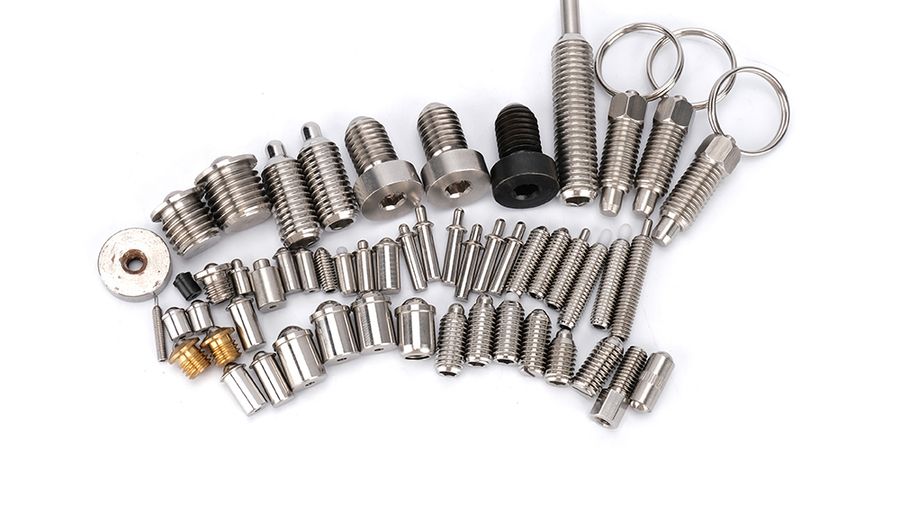
Custom indexing plungers are useful when a standard body length, pin geometry, mounting arrangement or actuation style does not suit the machine. The design conversation is more efficient when it is based on the full assembly rather than isolated dimensions. Include the relevant drawing, pin engagement target, moving-part geometry, access constraints and any specified material or surface requirement.
Information to include in an indexing plunger enquiry
Include the application drawing, required mounting dimensions, locating-pin engagement, movement direction, available actuation space, estimated usage pattern and quantity. If the component interfaces with a customer-specific part, share the mating-feature dimensions as well. This allows the supplier to assess a workable configuration without assuming unstated loading or environmental conditions.
Conclusion
The right indexing plunger begins with a precise locating task. By reviewing pin engagement, mounting geometry, operating access and the release cycle together, machine designers can reduce trial-and-error during assembly. For non-standard layouts, a drawing-led custom review is usually the most direct route.